
Performance Fabric Sofa Guide: Everything You Need to Know


A drink tips during family movie night. A pet jumps onto the cushions, children bring snacks into the living room, and guests settle in without anyone treating the sofa like a museum piece. For many households, that's the practical appeal of a performance fabric sofa. It's designed to support everyday living while reducing the stress associated with spills, stains, and constant use.
The right choice still requires more than selecting a fabric labeled “performance.” Fiber type, weave, abrasion testing, cleaning instructions, sunlight exposure, and availability all affect the result. A sofa can offer excellent stain resistance without strong UV protection, and a high rating doesn't replace proper care.
What Makes Performance Fabric Sofas Different
Performance upholstery was developed for homes where furniture has to work hard. A family room may host breakfast, homework, movie nights, pets, and weekend visitors, often on the same cushions. Instead of relying solely on a delicate surface that looks attractive when new, performance textiles are engineered to resist stains, moisture, and everyday wear.
Many of the underlying technologies trace back to synthetic fibers developed during the middle of the twentieth century. Nylon, polyester, and acrylic were used in demanding applications such as parachutes, awnings, and sails, where strength, moisture resistance, and UV stability mattered. Those properties later translated naturally to furniture upholstery, where manufacturers needed materials that could withstand spills, fading, and frequent contact. The history of performance fabrics helps explain why these textiles are more than a passing decorating trend.

The practical difference
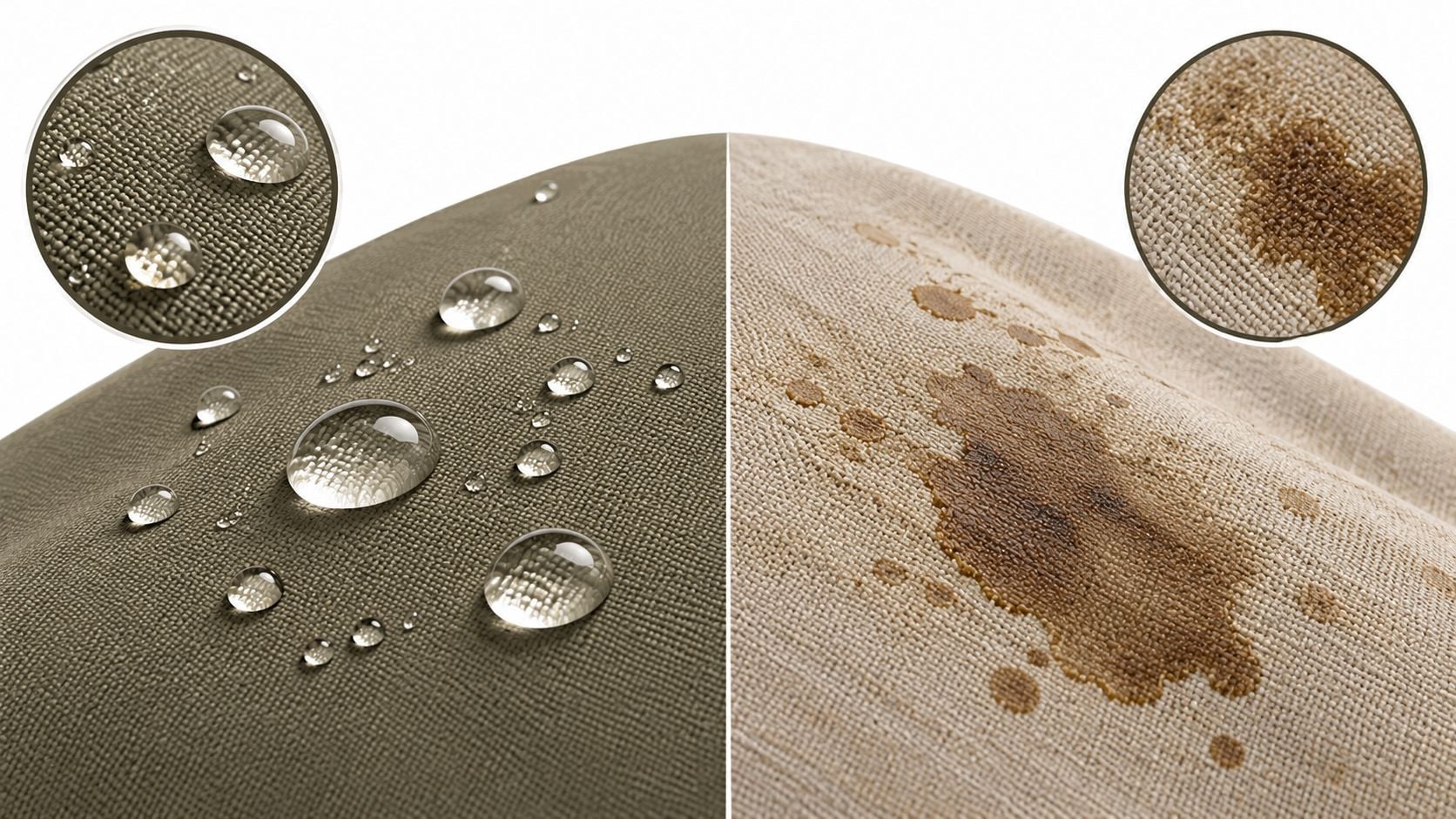
Traditional upholstery can still be attractive and comfortable, but it may require more caution around liquids, food, pets, and high-contact areas. Performance fabric changes the homeowner's response to those moments. Liquids are often designed to bead on the surface long enough to be blotted, rather than immediately soaking into the cushion.
That doesn't make a sofa indestructible. A performance finish can be affected by the wrong cleaner, heat, aggressive scrubbing, or years of heavy use. The useful promise is not “nothing can damage it.” The useful promise is easier day-to-day management when the fabric, construction, and care routine match the household.
The category has also moved beyond a narrow family-room application. Global performance fabric forecasts place the broader market at USD 80.70 billion in 2024, with a projection of USD 114.66 billion by 2033, while another forecast estimates USD 85.03 billion in 2025 and USD 122.7 billion by 2034. These projections indicate that engineered textiles have become a mainstream material category across apparel, technical products, furniture, and home furnishings, not a niche specification reserved for one type of buyer. Market context for performance fabrics supports that broader shift.
Understanding Materials and Construction
A performance fabric sofa begins with the fiber, but the fiber alone doesn't determine performance. The weave, dyeing method, surface treatment, and upholstery care code all influence how the material behaves in a real home.
Start with the fiber
Common constructions use polyester, acrylic, olefin, or blends. These synthetic materials can provide a useful balance of softness, color retention, stain resistance, and abrasion resistance. A tightly woven fabric also leaves fewer open spaces for debris, claws, and spilled liquids to work through quickly.
The construction usually works in one of two ways. Some textiles receive a treatment that helps repel moisture and stains, while others rely more heavily on the natural properties of the fiber and the density of the weave. In both cases, the objective is practical: slow absorption, simplify spot cleaning, and help the surface stand up to repeated contact.
Independent upholstery guidance describes performance materials as synthetic or blended constructions engineered so that liquids bead on the surface instead of soaking in immediately. This guide to performance fabric construction is useful because it frames the feature as a physical behavior, not a vague quality label.
Check the details before choosing
A shopper comparing samples should examine more than color. The fabric should feel substantial without feeling unpleasantly stiff, and the weave should suit the household. Pet owners generally benefit from avoiding loose loops that claws can catch, while families may prefer a texture or pattern that doesn't reveal every crumb.
The showroom conversation should cover:
- Fiber content: Identify whether the fabric uses polyester, acrylic, olefin, or a blend.
- Weave structure: Look for a tight construction when snag resistance matters.
- Care code: Confirm whether the fabric accepts water-based cleaning, solvent-based cleaning, both, or vacuum-only care.
- Color exposure: Ask whether the upholstery has specific UV protection if the sofa will sit beside bright windows.
- Cushion construction: Consider how the cushions feel, support the body, and return to shape after use.
A fabric's technical description should support the household's routine. The most impressive label won't help if the cleaning method is too restrictive or the fabric doesn't suit the room's light and traffic.
For a deeper look at upholstery choices, shoppers can review this guide to upholstery materials.
Benefits of Durability and Stain Resistance
The strongest case for performance upholstery comes from two separate qualities: how the fabric handles abrasion and how it handles spills. A sofa may perform well in one area and only moderately in the other, so both deserve attention.
Abrasion has a measurable standard
In North America, the Wyzenbeek test measures repeated back-and-forth wear through double rubs. European manufacturers commonly use the Martindale cycle test. These tests don't predict an exact lifespan in a particular home, but they give shoppers a common way to compare intended use.
For typical residential use, about 15,000 to 20,000 double rubs is generally considered adequate. For a busy family sofa, 30,000 or more double rubs is preferred. Martindale ratings around 50,000 to 100,000 or more cycles are often associated with heavy-duty upholstery. This explanation of upholstery abrasion ratings provides the relevant testing context.
A high rating matters most when the sofa receives repeated friction from sitting, standing, children climbing, or pets moving across the cushions. It doesn't measure comfort, color preference, frame construction, or resistance to every type of stain.
Stain resistance reduces panic, not responsibility
Performance upholstery gives occupants more time to respond when a spill occurs. Blotting a drink while it remains near the surface is usually more effective than allowing it to spread or rubbing it deeper into the weave.
That advantage is especially useful for households with children, pets, frequent guests, or a sofa that serves several purposes throughout the day. A textured medium tone can also conceal minor marks better than a perfectly flat, very light solid, although color choice doesn't replace cleaning.
Practical rule: A performance rating should answer two questions, not one. How much friction can the fabric handle, and what cleaning method does the manufacturer allow?
Detailed care instructions matter because some treatments weaken when exposed to unsuitable chemicals or excessive heat. Stain-resistant upholstery guidance can help shoppers prepare specific questions before selecting a sofa.
Performance Fabric Versus Standard Upholstery
A sofa in a busy family room faces different demands from one in a formal sitting room. Performance fabric suits spaces with daily lounging, pets, children, frequent guests, or regular spills. Standard upholstery can be a better fit when texture, color depth, or a particular decorative finish matters more than stain response.
The choice is a trade-off, not a simple ranking. Performance fabric may cost more because its fibers, finish, or construction are engineered for specific demands. Standard upholstery offers a broad range of hand feels and visual effects, sometimes with a lower purchase cost. Match the fabric's tested properties to the room's actual use.
| Feature | Performance Fabric | Standard Upholstery |
|---|---|---|
| Spill response | Liquids may bead briefly, giving occupants time to blot | Absorption varies and may occur more quickly |
| Everyday wear | Often tested for repeated contact and abrasion | Durability depends on the fiber, weave, and construction |
| Cleaning | May have clearer spot-care instructions, subject to manufacturer rules | Can require more cautious or specialized care |
| Style | Includes woven textures, solids, patterns, and premium looks | Offers a wide range of textures and decorative finishes |
| Pets and children | Practical for homes with frequent messes and heavy activity | Suitable for rooms that receive lighter use |
| Sun exposure | Stain resistance does not automatically mean UV protection | Fade resistance varies by material and construction |
| Cost | May include a premium for engineered properties | Spans a wider range of price and construction levels |
The word “performance” does not describe one universal standard. One fabric may prioritize stain resistance, another abrasion resistance, and another moisture or fade resistance. Real-world durability testing should be read alongside the care instructions. Ask what was tested, how the result applies to your household, and which limitations remain.
A bright living room needs a separate check. Water, stains, and scratches are different performance categories from fading, so sunny rooms, vacation homes, and intermittently used properties need suitable colorfastness information. This upholstery trend overview places the wider upholstery fabric market at a projected USD 6.44 billion in 2026 and USD 9.01 billion by 2032. Those figures reinforce the need to examine the specific claim behind a fabric label.
At Stahl Home Center, immediate availability also affects the decision. Shoppers can compare the performance claims, feel the fabric, and choose an option that fits the sofa's intended use without treating a generic label as a guarantee.
Cleaning and Maintenance Tips
Performance upholstery is easier to live with when the care routine starts immediately after a spill. The first response should be simple: remove solids carefully, place a clean absorbent cloth over the liquid, and blot without grinding the substance into the cushion.
A safer cleaning sequence
- Check the manufacturer's instructions. The care code determines which products and methods are acceptable.
- Blot the affected area. Use a clean cloth and work from the outside of the spill toward the center.
- Use mild soap and water only when approved. A gentle solution is preferable to a strong household chemical.
- Rinse carefully if the instructions allow it. Excess residue can attract soil.
- Allow the fabric to dry naturally. Avoid intense heat that may affect the finish or fibers.
- Vacuum regularly. An upholstery attachment removes grit that can create friction over time.
Bleach, alcohol, steam, aggressive heat, and harsh brushing can damage the fabric or reduce the effectiveness of its protective properties. A cleaner that works on one upholstery material may discolor or weaken another, so the product label and manufacturer's care directions should take priority.
Wine spills often create the same urgency on upholstered seating as they do on household linens. For general stain-response principles, this guide to removing wine stains from bedding offers useful context, although sofa owners should still follow the upholstery manufacturer's instructions rather than transfer every method directly.
A realistic maintenance plan also recognizes that performance benefits vary. Some guidance describes protection lasting through extended regular use, while other guidance emphasizes that quality, cleaning habits, heat, and repeated wear can shorten the useful life of a finish. This discussion of upholstery lifespan and care differences is a reminder that “performance” describes a category, not one universal durability standard.
For upholstery-specific instructions, shoppers can use this performance fabric cleaning guide.
How to Choose the Right Performance Fabric Sofa
A family room with children, pets, and frequent visitors demands different upholstery from a lightly used sitting room. The right choice also depends on whether the sofa must be available immediately or built around a specific room plan. Start with the household, then assess the fabric, frame, seating design, and delivery requirements together.
Match the sofa to the household
Ask four practical questions before comparing colors:
- Who uses the sofa? Children, pets, guests, and older adults may require different levels of cleanability, support, seat height, or access.
- How much traffic does the room receive? A central family room usually places more wear on upholstery than a formal sitting room.
- What does the room's light do? Bright windows make fade resistance and furniture placement relevant alongside stain resistance.
- What needs to happen next? Immediate pickup, scheduled delivery, or a custom order will shape the suitable options.
Durability ratings help, but they do not replace a physical inspection. Check the weave, texture, seam placement, cushion shape, and exposed areas that will receive the most contact. Performance fabric can resist common spills and everyday abrasion, yet no upholstery eliminates the need for sensible use or care.
The showroom sit-test adds information that product photography cannot provide. Sit in the sofa long enough to judge firmness, back support, seat depth, and how easily you can stand. Test any reclining mechanism, inspect cushion support, and view the actual fabric under indoor lighting. A sectional should also suit the body, doorway access, and room proportions.
Decide between speed and customization
Stahl Home Center presents a choice between premium recliner and sofa brands, custom seating, and furniture available for prompt purchase. Its 88,000-plus-square-foot showroom and thousands of available items make it possible to compare an immediately available piece with a configuration selected for a particular room. The The La-Z-Boy furniture selection provides additional brand and assortment context for shoppers reviewing the store's seating options.
A custom-style option suits buyers who want a more personal result. Consider performance upholstery, cushion arrangements, arm styles, and sectional configurations together rather than selecting fabric in isolation. A configured sofa may fit the room better, but it requires more planning than an available piece.
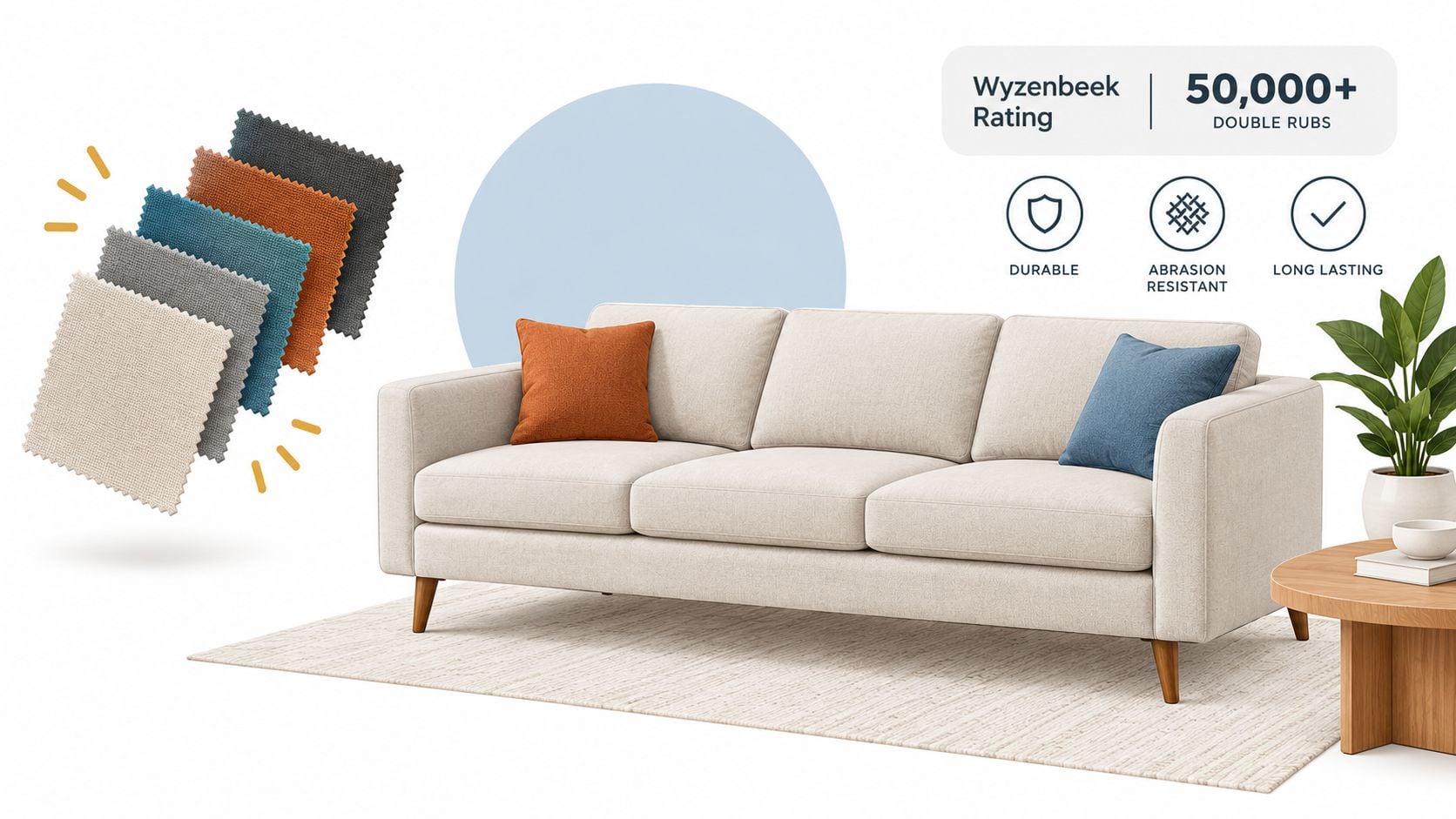
Place fabric samples beside the flooring, wall color, wood tones, and natural light. Upholstery fabric samples make the comparison more reliable when the sofa anchors the living room.
A quality-focused buyer may prioritize construction and long-term comfort. A new homeowner may need several furniture categories during one visit. Choose the performance features that address the room's actual demands, then select the sofa format, upholstery, and availability that fit the buying timeline.
Why Shop at Stahl Home Center for Your Sofa
A sofa can look right online and still feel wrong in the room. At Stahl Home Center, shoppers can sit on different cushions, check seat depth, operate reclining mechanisms, compare fabric texture, and judge scale beside other furniture. That hands-on visit also makes delivery planning and upholstery questions easier to address.
Stahl Home Center is locally owned, with a large Westside Bloomington showroom and a broad assortment. The store reports that thousands of items are in stock and ready for take-home today. The showroom and in-stock furniture information helps shoppers identify furniture available for immediate delivery or customer pickup instead of waiting for a custom order.
Selection for different buying situations
A relocating professional may need to furnish a whole home this weekend, including a sofa, bedroom sets, mattresses, and dining pieces. A right-sizer may need a comfortable recliner, power recliner, or lift chair. A decorator may want a custom sofa or a performance fabric sectional in a particular configuration.
The buying paths differ:
- In-stock shoppers: Check sofas, sectionals, recliners, and other pieces available for take-home today.
- Custom shoppers: Choose among hundreds of fabrics and configurations through Design Your Way.
- Quality seekers: Compare available construction styles, comfort options, upholstery choices, and fabric performance in person.
- Local homeowners: Visit a Bloomington, IN furniture store for direct comparisons of color, texture, support, and operation.
- Room-by-room buyers: Coordinate living room furniture with bedroom furniture, mattresses, and other household needs.
The Good-Better-Best approach lets shoppers compare value, construction, and comfort without reducing the decision to price alone. It also addresses a common misconception about performance fabric. The label does not mean every fabric feels or wears the same. Testing the hand, checking the color in showroom lighting, and asking about cleaning requirements reveal trade-offs that a product page may not show.
For larger rooms, performance fabric sectionals connect stain-resistant upholstery technology with a practical seating layout. A sectional may provide more coverage, while a sofa can offer easier placement and simpler future rearrangement.
The result is a choice between immediate access and a more customized order, supported by local guidance. Shoppers can select upholstery for the room's actual demands, test comfort before committing, and arrange professional delivery when the furniture needs additional handling.
Stahl Home Center carries performance fabric sofas, recliners, custom options, sectionals, bedroom furniture, mattresses, and other pieces for complete-home furnishing. Visit Stahl Home Center to test fabrics and comfort in person at the Westside Bloomington showroom.