Polywood Storage Box: A Buyer’s Guide for 2026

Patio cushions stacked by the back door, pool toys drifting across the deck, a grill cover folded over a chair, and hand tools sitting where the rain can get to them. That's usually when people start searching for a Polywood storage box.
The phrase sounds specific, but it usually isn't. In everyday shopping, “Polywood storage box” is often shorthand for a sturdy, all-weather outdoor storage box made from HDPE or poly-lumber style material. That distinction matters because the right purchase starts with the material and construction, not just the label on the search bar.
A good outdoor storage box should do three jobs well. It should keep weather out, hold up through changing seasons, and still look right next to the rest of the patio setup. For homeowners trying to get settled fast, especially after a move, that kind of piece helps bring order to an outdoor space in a single weekend.
Your Guide to All-Weather Outdoor Storage
A messy backyard usually isn't the result of having too much stuff. It's usually the result of having no proper place to put the right stuff. Seat cushions end up on the floor of the sunroom, citronella candles migrate to the kitchen counter, and yard gloves get left on the deck rail until they're soaked.
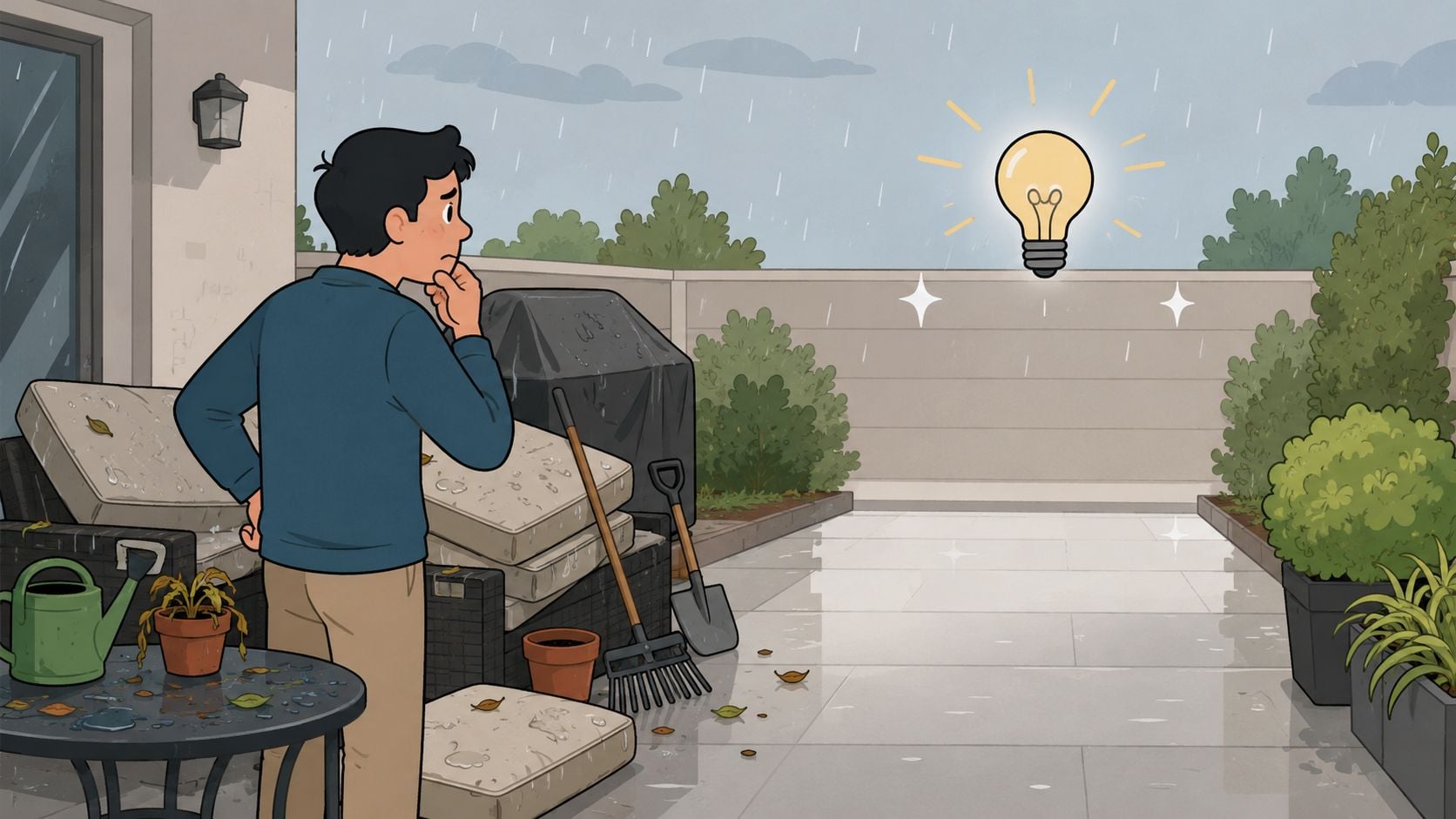
That's where a Polywood-style storage box earns its place. It gives outdoor accessories a home that stays outside, where they belong, instead of creeping into the garage, laundry room, or mudroom. For households planning a cleaner patio layout, this kind of piece pairs naturally with other essential outdoor furniture pieces for a more usable backyard.
What the term usually means
Polywood is a real brand associated with outdoor furniture, but “Polywood storage box” is often used more broadly by shoppers describing high-quality HDPE all-weather storage. In practical terms, shoppers are often seeking:
- A wood-look finish without wood upkeep
- Weather resistance for rain, sun, and damp conditions
- A cleaner look than basic utility bins
- Storage that can live on a patio all season
A smart buyer focuses less on the wording and more on whether the box is made for full outdoor exposure.
What shoppers should look for instead
The best results usually come from evaluating the product like outdoor furniture, not like garage storage.
A useful box should fit the space, open easily, and feel solid at the lid and hinge points. It also helps when the finish works with nearby seating, tables, and planters, because this piece stays in view.
For new homeowners and relocators, this is one of those purchases that solves clutter fast. For style-focused decorators, it's also a way to keep the patio looking finished instead of improvised.
The Benefits of High-Density Outdoor Storage
A storage box earns its keep after a wet spring, a hot July, and a few hard freezes. That is where high-density polyethylene, often what shoppers mean when they say “Polywood storage box,” separates itself from lower-grade outdoor materials.
At Stahl Home Center, we usually steer customers to HDPE when the box will live outside full-time. The reason is simple. Good HDPE does not soak up water the way wood-based materials can, and it does not ask for the seasonal sanding, staining, or repainting that turns a basic storage solution into another household chore.
Why HDPE works outside
Outdoor storage breaks down in predictable ways. Rain works into joints. Standing moisture shortens the life of finishes and fasteners. Direct sun dries out weaker surfaces and makes bargain lids brittle over time.
HDPE addresses those common trouble spots well. It is an all-weather furniture material, so it handles routine exposure to moisture and sun without the swelling, peeling, or rot issues that push many owners into repair mode. That does not mean every box is equal. Panel thickness, hinge quality, lid support, and hardware still matter. But starting with the right material gives the piece a much better chance of lasting.
That distinction matters for shoppers using “Polywood” as a general term. In most cases, they are not asking for one specific brand. They want durable, maintenance-light outdoor storage that looks finished enough to sit beside seating, planters, and dining furniture. That is exactly the category worth shopping in person, because build quality is easy to spot once you lift the lid and feel the weight of the box.
The buy-it-once appeal
The long-term value is usually what wins people over.
A well-made HDPE storage box fits households that want outdoor organization without adding more upkeep. It works especially well for:
- Homeowners setting up a patio for everyday use
- Families storing cushions, toys, or grill tools in one place
- Buyers who would rather pay for better construction once than replace a cheaper box in a few seasons
My advice is straightforward. If the box will stay in open weather, choose for material and construction first. Color and style come after that.
There is also a practical day-to-day benefit. HDPE surfaces are usually easy to clean with mild soap and water, so pollen, dirt, and splash marks are rarely a big project. If you are also working through broader patio cleanup, these summer declutter ideas with storage-minded furniture pair well with the same low-maintenance approach.
What to watch for before you buy
Material alone does not guarantee a good box. I have seen outdoor storage made from decent material that still fell short because the lid flexed, the hinges felt undersized, or the base lacked enough support to stay square once loaded.
Check the details. Open and close the lid a few times. Press lightly on the top edge and side panels. Look at how the hardware is mounted. A box that feels solid in the store is far more likely to stay useful through real backyard use.
That is one reason local, in-person shopping helps. You can see the finish, test the lid, and judge whether the box feels like outdoor furniture or like a temporary fix.
Polywood Style vs Wood Wicker and Metal
Material choice changes everything. It affects upkeep, appearance, portability, and how the box handles Indiana weather from wet spring days to dry summer sun.
One technical reason Polywood-style HDPE is popular is its balance of weight and rigidity. Polywood-style storage boxes made from recycled high-density polyethylene have a density range of 0.93–0.97 g/cm³, which is lower than natural wood and can produce a 15–20% weight reduction for equivalent volume while maintaining structural rigidity through engineered designs. That can make the piece easier to position without making it feel flimsy.
Outdoor Storage Material Comparison
| Feature | Polywood-Style (HDPE) | Wood | Resin Wicker | Metal |
|---|---|---|---|---|
| Weather resistance | Strong fit for outdoor exposure | Varies by species and finish | Often fine in covered areas | Can be durable, but finish matters |
| Moisture concerns | Low concern when well made | Can swell, crack, or rot over time | Frame and weave condition both matter | May rust if coating fails |
| Maintenance | Low | Higher | Moderate | Moderate |
| Weight and handling | Solid but often easier to move than wood of similar size | Often heavier | Usually lighter | Varies widely |
| Style range | Clean, casual, transitional | Warm, classic, natural | Soft, woven, decorative | Crisp, industrial, modern |
| Best use case | Everyday outdoor storage with low upkeep | Natural look for owners willing to maintain it | Decorative patios with lighter-duty storage needs | Sleek outdoor settings with good finish protection |
Where each material fits
Wood has natural character that many buyers love. It can look outstanding on a porch or patio, especially next to other natural materials. The trade-off is upkeep. Buyers comparing finishes and long-term durability often benefit from understanding how wood furniture choices affect longevity and style.
Resin wicker works best when appearance leads the decision. It can soften an outdoor layout and coordinate nicely with woven seating, but it isn't always the first pick for heavier-use storage.
Metal can look sharp and clean, especially in modern spaces. The concern is less about style and more about finish integrity, heat exposure, and whether the piece will stay pleasant to use after sitting in direct sun.
Wood often wins on warmth. HDPE often wins on workload.
The practical trade-off
For buyers who want a storage box to disappear into the routine and do its job, Polywood-style HDPE tends to be the easiest long-term answer. It doesn't ask for much, and that's exactly the point.
For style-focused decorators, wood and wicker may still be worth considering if the space is covered and the owner doesn't mind periodic care. For households trying to furnish and organize fast, low-maintenance HDPE usually removes the most friction.
Finding the Perfect Storage Box for Your Space
Buying the right size starts with two measurements, not the product tag. Measure the wall or rail space where the box will sit, then measure the walking room that needs to remain clear when the lid opens.
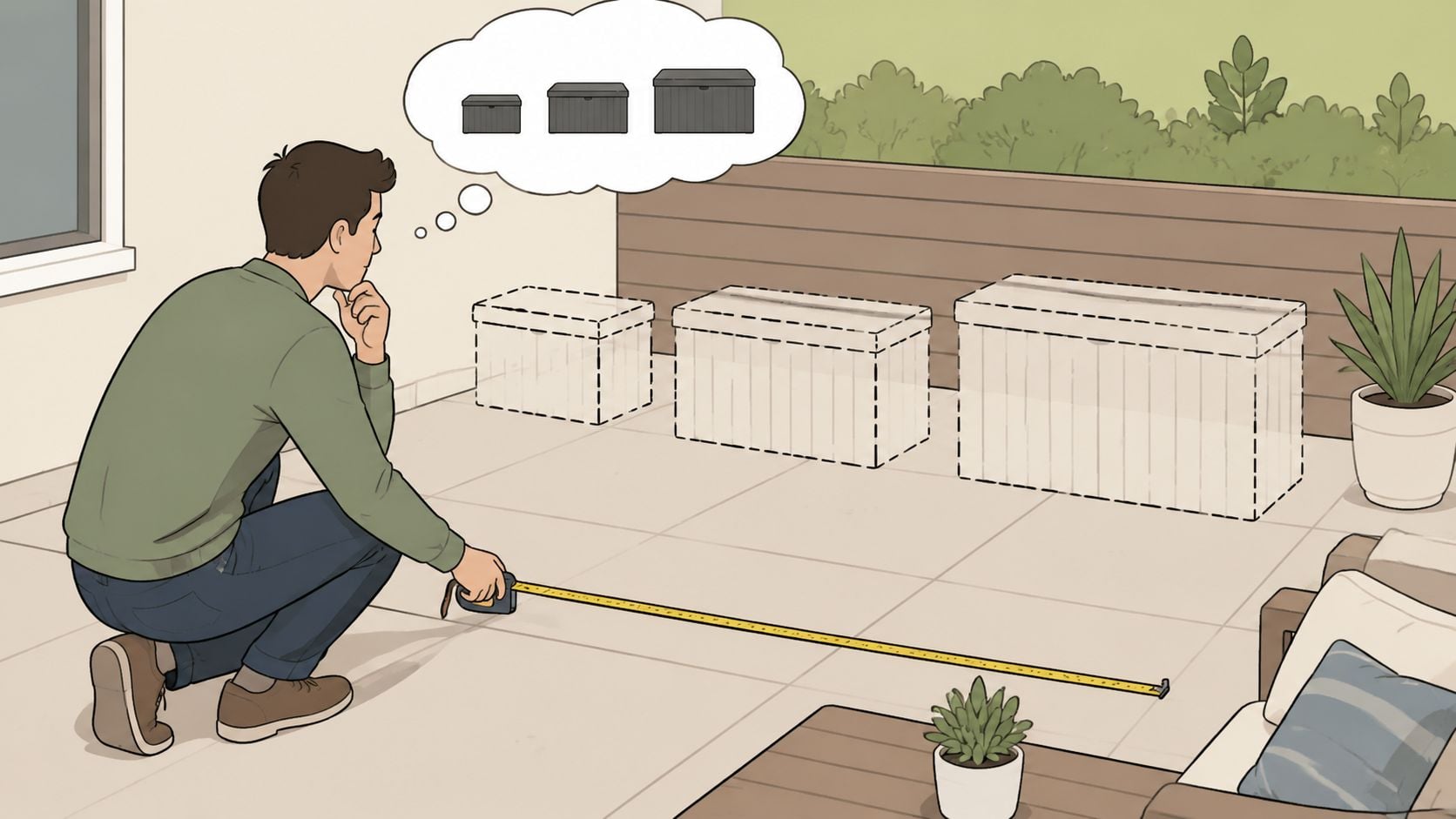
Too many buyers focus only on capacity. The better question is whether the box fits the way the patio works. A narrow deck, a grilling zone, or a door swing can all make a good-looking box feel awkward fast. For anyone unsure about layout, these room measuring basics help make the process easier.
Match the box to the job
Think in categories, not just gallons.
- Small-use storage works well for gloves, candles, grill tools, and a few outdoor accessories.
- A medium box usually suits pool items, gardening supplies, or seat pads from a compact dining set.
- Larger bench-style storage makes more sense when full patio cushions need a home.
If the main goal is cushion storage, check interior clearance carefully. Thick back cushions and deep-seat pads take up space faster than expected.
Features worth paying for
Some extras are useful. Some are just distractions.
Look closely at these:
- Lockable lid option helps when the box holds tools, supplies, or items that shouldn't be easy to grab.
- Hydraulic or assisted lid movement makes daily use smoother and reduces slamming.
- Integrated wheels can help on hard surfaces, especially if seasonal repositioning is likely.
- Bench-style top adds seating value if the structure feels supportive.
- Interior floor design matters if the box will hold items that shouldn't sit in standing moisture from wet towels or dripping toys.
If the lid is awkward in the store, it won't get easier after a month of use.
Common sizing mistake
Many homeowners buy for what they store today, not what they'll store all season. A better approach is to include the overflow that always appears once the weather turns warm. Outdoor throws, citronella supplies, serving pieces, and hose accessories all need a place eventually.
The right Polywood storage box should reduce clutter without creating a new obstacle course on the patio.
Long-Term Care and Placement Ideas
A storage box earns its keep on the messy days. Wet pool towels, chair pads after a quick storm, muddy garden gloves, kids dropping everything by the back door. That is when smart placement matters just as much as material.
At Stahl Home Center, plenty of shoppers ask for a "Polywood storage box" when what they really mean is durable, all-weather HDPE storage. That common shorthand makes sense, but the important part is choosing a well-built box with the right placement and enough room to breathe through Indiana weather.
Care that keeps it looking right
HDPE storage is easy to live with, but a few habits help it stay that way for years.
- Rinse off seasonal buildup: Pollen, dust, leaf residue, and bird droppings come off faster if they are not left to bake in the sun.
- Check hinges and fasteners twice a year: Spring and fall are good times to make sure hardware stays snug and lid movement stays even.
- Do not pack the lid tight: Cushions and gear should fit without pushing up against the top, which can strain hinges and affect alignment over time.
- Clean with mild soap and water: Harsh solvents are rarely needed and can leave the surface looking dull.
A quick wipe-down during patio cleanup usually handles most of the work.
Placement ideas that hold up over time
Set the box where clutter starts. That is usually beside a seating area, near the grill path, by the pool gate, or close to the garage entry to the patio.
Wall placement works well, but leave a little space for airflow and easy lid access. In full sun, HDPE holds up far better than many outdoor materials, yet I still like to avoid spots where sprinkler heads constantly hit the box or where roof runoff dumps water on the lid every storm. Those little details affect how clean the box stays and how often you will use it.
Bench-style boxes also need stable footing. On pavers, concrete, or a level deck, the lid tends to track better and the base stays square. On uneven gravel or soft ground, even a quality unit can rack slightly over time.
The best location is the one that makes daily cleanup easier, not the one that only looks tidy from across the yard.
If you are furnishing on a tighter timeline, seeing what is in stock locally helps. Shoppers who want practical outdoor pieces without a long wait often start with fast furniture delivery options at Stahl Home Center.
One caution that saves headaches
The most exposed corner of the yard is rarely the best home for any storage box. Constant wind, runoff, and repeated freeze-thaw swings put more stress on lids, hinges, and hardware. A good HDPE unit is built for weather, but better placement usually means fewer adjustments and better day-to-day use.
That is the long-term trade-off. Maintenance-free does not mean placement-free. Choose the right spot, give it basic seasonal care, and a quality all-weather storage box should stay useful and presentable for a long time.
See and Feel Your Furniture Before Buying
Outdoor storage is one of those categories that looks simple online and feels very different in person. Photos rarely show lid weight, panel thickness, hinge quality, or how the finish reads in natural light.
That's why the sit-test has an outdoor version. Buyers should open the lid, press on the top, check the texture, and see the color with their own eyes. The difference between a sturdy storage piece and a disappointing one usually becomes obvious within a minute of handling it.
Why in-person shopping still matters
For anyone furnishing a home quickly, seeing options side by side saves mistakes. It also helps style-focused decorators judge what works with nearby living room furniture Bloomington shoppers may already be coordinating with indoor-outdoor spaces, especially in sunrooms and covered patios.
The same logic applies across the home. Comfort, scale, and finish are easier to judge in person whether someone is shopping a Furniture store Bloomington IN, comparing recliners in stock, or planning a full-room update with custom sofas, power recliners, lift chairs, bedroom sets, and mattresses.
The value of selection and timing
An in-person showroom also makes it easier to compare “good, better, best” options instead of guessing from product photos. That matters for quality seekers who want durability, and it matters just as much for new homeowners trying to furnish the whole home this weekend.
Buyers who care about trusted brands often apply that same thinking indoors, looking for La-Z-Boy Indiana options, Rowe Furniture, and other pieces with proven comfort and style. Those who want a customized appearance can also explore performance fabrics and custom configurations through a design-your-way approach when immediate pickup isn't the priority.
Stahl Home Center operates an 88,000-square-foot showroom on Bloomington's west side, supporting a broad, side-by-side selection in person, as shown on the Stahl Home Center about page. For shoppers who value immediate delivery furniture and scheduled setup, it also helps to review fast furniture delivery options from Stahl Home Center.
Local ownership since 1967 still matters here. Friendly, neighbor-to-neighbor guidance tends to produce better long-term choices than rushed buying and box-checking.
Visit Stahl Home Center on Bloomington's west side to shop an 88,000+ sq. ft. showroom, explore thousands of in-stock pieces, and get the local service that helps homeowners furnish with confidence. From Indiana's Largest La-Z-Boy Dealer selection to Rowe styles with hundreds of custom fabric options, the store offers a true Good-Better-Best mix for comfort, durability, and design. Visit our Westside Bloomington showroom today to see our massive selection in person.