

How Long Is a 3 Cushion Couch: A Complete Guide

Most 3-cushion couches measure about 84 inches from arm to arm, with a typical range of 71 to 90 inches depending on the frame, arm style, and cushion configuration. That makes a standard three-seat sofa long enough for three adults, but the exact footprint can vary more than the cushion count suggests.
A shopper usually asks this question while standing in a living room with a tape measure in hand, trying to decide whether a sofa will fit the wall, clear the doorway, and leave enough room to walk around it. The answer becomes useful only after separating overall length from usable seat width. Overall length controls room planning and delivery access. Usable seat width determines how much space each person gets.
The figures below explain why two sofas with three cushions can feel very different in the same room. A thick rolled arm may reduce the seating area even when the sofa's outside measurement looks generous, while a narrow arm can preserve more room for sitting inside a shorter frame.
The Short Answer on 3 Cushion Couch Length
A three-cushion couch can fit a room differently from what its cushion count suggests. The usual benchmark is 84 inches, while commonly cited overall lengths range from 71 to 90 inches, or approximately 180 to 230 centimeters. These figures reflect common retail sizing patterns rather than one required industry dimension, as shown in this guide to sofa sizes and dimensions.
The phrase “3 cushion” describes the seat arrangement, not a fixed exterior size. A manufacturer might place three cushions in a compact frame, or spread them across a longer sofa with wider arms and deeper proportions. Arm construction, frame style, cushion width, and the space between the arms all change the final measurement.
A floor plan needs more than one number. Record both measurements from the product specifications.
The two measurements that matter
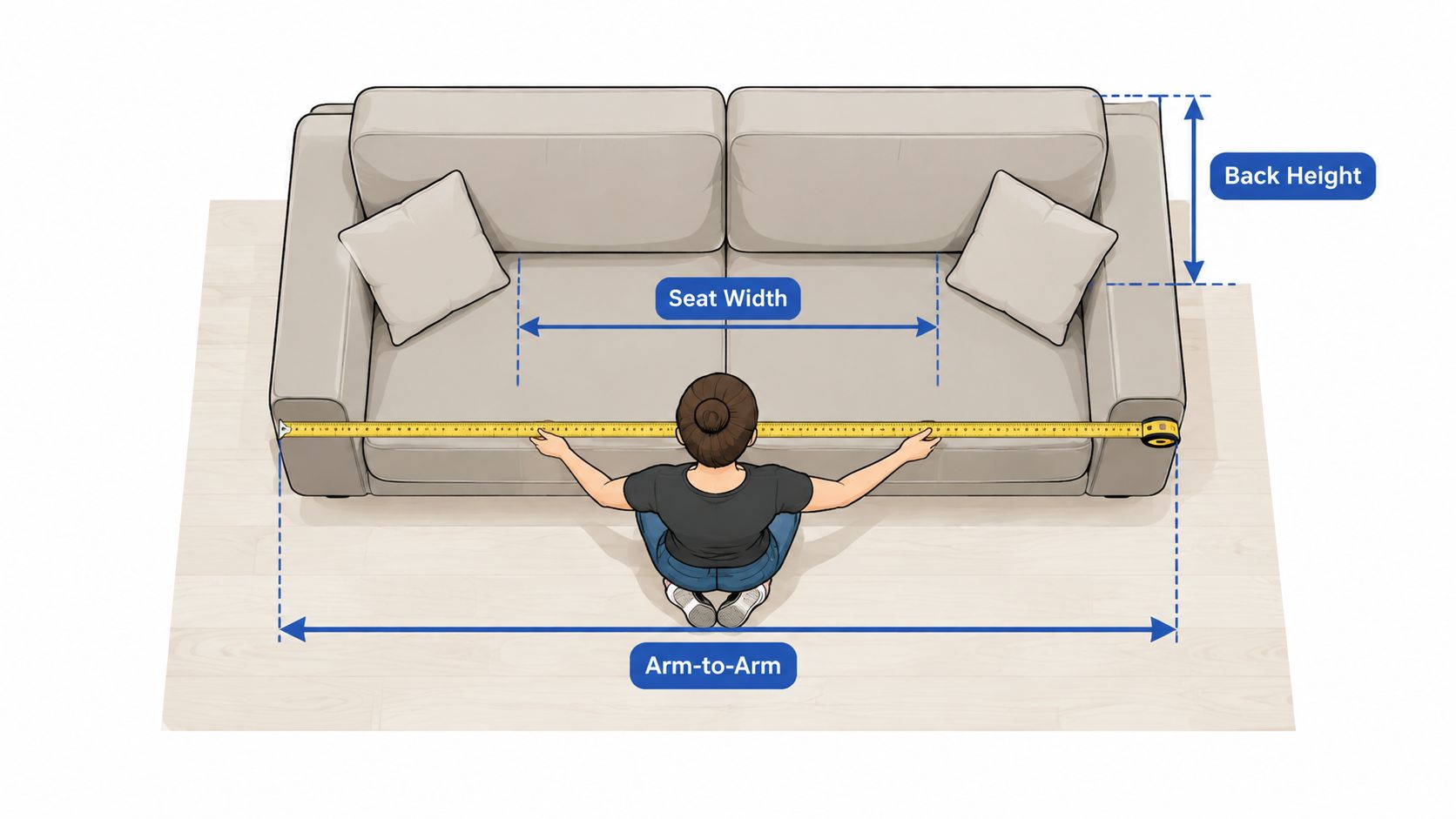
- Overall arm-to-arm length: This is the full outside width. It determines whether the sofa fits the intended wall, clears a hallway, and can pass through the doorway during delivery.
- Usable seat width: This is the inside span between the arms, measured across the cushions. It shows how much room three adults have and how much space each person receives.
For example, two couches can each measure 84 inches overall while offering different seating room. Broad arms take space from the inside, much like thick picture frames reduce the visible area of a wall. Narrower arms may preserve more room for sitting, even when the exterior frame is shorter.
| Measurement | Typical Range | Why It Matters |
|---|---|---|
| Overall three-cushion couch length | About 71 to 90 inches | Controls wall placement, room scale, and delivery planning. See standard sofa sizing guidance |
| Common market benchmark | About 84 inches | Provides a useful starting point for a typical three-seat layout. Review common three-seat dimensions |
| Usable seat span | Varies within the outside frame | Shows how much room people have once arm width is removed. |
These two figures guide right-sizing decisions in a small living room or apartment. A sofa may fit the wall on paper but leave too little walking space, or clear the room while failing to provide comfortable usable width. Check both before ordering, especially if a doorway, hallway, or tight turn sits between the delivery entrance and the room.
For shoppers comparing a sofa with a sectional, the same distinction remains useful because a sectional's footprint spreads across more than one wall. This guide to sectionals versus sofas explains the configuration difference. The better choice depends on the room's shape, doorway access, and the amount of uninterrupted seating required.
Standard Length Ranges You Will See in Stores
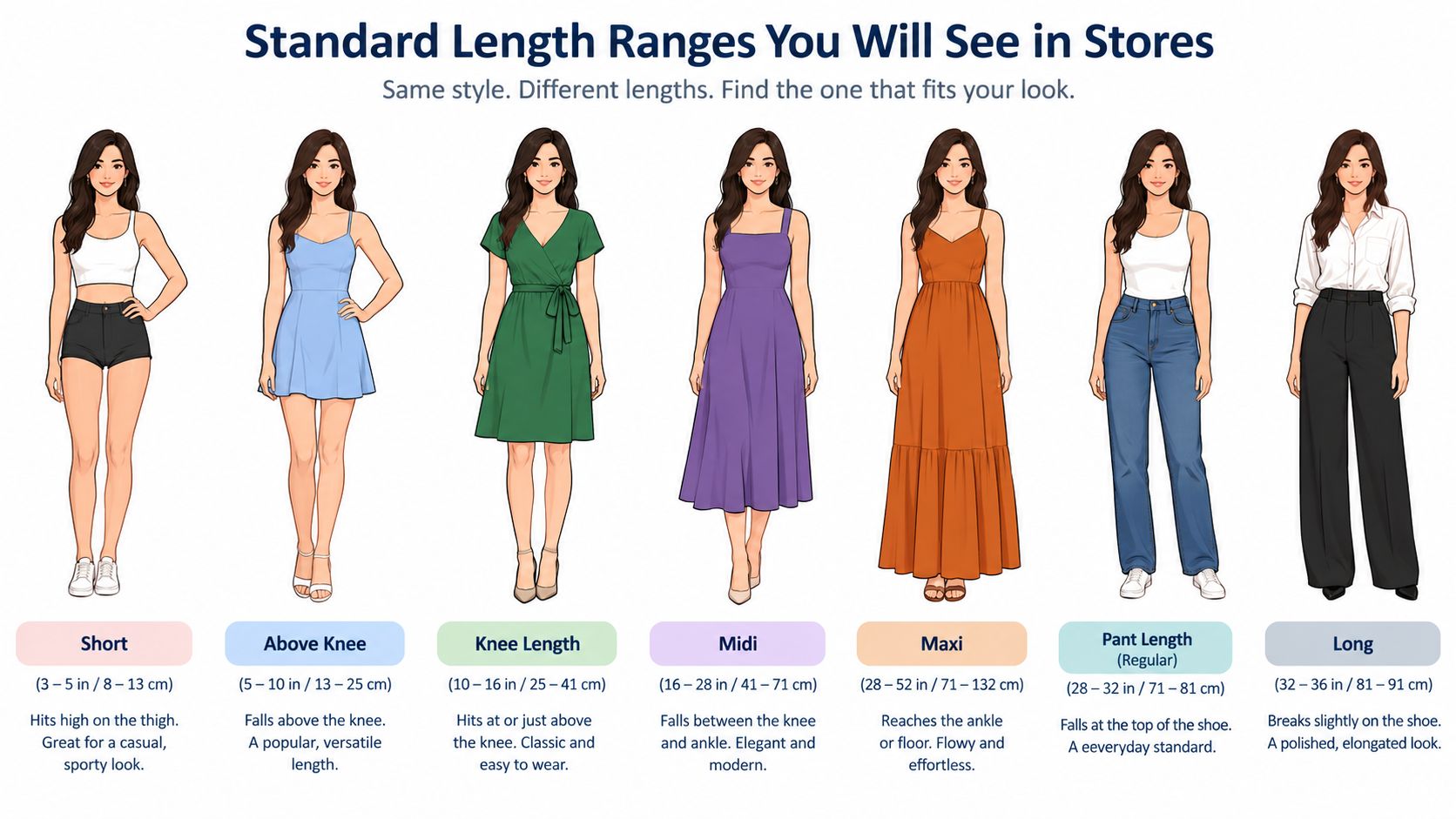
Retail floors tend to group three-cushion sofas into a few practical size bands, although the boundaries aren't rigid. A compact frame may sit near the lower end of the market range, while a deep lounge sofa can extend well beyond the most familiar benchmark. The published measurement should be treated as a starting point, not a promise that every three-cushion model will use the same proportions.
Compact three-cushion sofas
Models around 71 to 78 inches suit apartments, smaller living rooms, and spaces where circulation matters as much as seating. A compact sofa in this range may seat three adults, but each person usually has less personal width than on a longer frame. The buyer should check the inside seat span rather than assuming that three cushions automatically mean generous room.
These smaller sofas can also work well for relocators furnishing a room with an uncertain layout. They leave more flexibility for side tables, accent chairs, or a walkway beside the sofa. The tradeoff is that shorter cushions and narrower seats may feel less relaxed during long lounging sessions.
Standard living-room lengths
The 79 to 86-inch band covers the familiar middle of the market and includes the 84-inch benchmark frequently used for a standard three-seater. This range often balances three-person capacity with a footprint that works in many average living rooms. A shopper should still compare arm thickness and depth, since an 84-inch sofa with narrow arms can offer more usable seat space than a similar-length design with broad arms.
A standard sofa may be the safest starting point for a new homeowner who needs a flexible piece that can move with the household. It can support everyday seating without committing the room to an oversized profile. Those planning a larger wall can review examples of longer proportions in this guide to a 10-foot sofa.
Oversized and deep-framed designs
Longer versions can reach 87 to 96 inches, especially when the frame adds depth, wider cushions, or substantial arms. These sofas may provide more generous personal space, but the extra length can dominate a small room and make delivery more difficult. They belong in layouts with enough wall span, clear pathways, and room for the sofa's depth to project into the living area.
Three cushions don't guarantee three equally sized seating positions. Two oversized cushions may create a longer seat than three slim cushions in a shorter frame, while a bench-style seat may present one continuous sitting surface. Published dimensions are therefore more reliable when paired with a drawing or product specification sheet that shows the inside seat width.
What Changes the Length of a 3 Cushion Couch
Two sofas can both have three cushions and still occupy very different amounts of room. The outside, arm-to-arm length reflects the entire frame, while the usable seat width measures the space left between the arms. For a first-time buyer, separating these two measurements prevents a common mistake: choosing a sofa by its cushion count and overlooking the space consumed by the arms.
Arm style sets the outside boundary
Slim track arms preserve more of the frame for sitting. Arms around 3 inches per side can keep the overall footprint compact, while rolled, English, or pillow-top arms measuring 6 to 10 inches per side take more room from the interior. Even if the three cushions are identical, the sofa's outside width changes when the arms change.
For example, two frames may use similar cushions, yet the model with broad rolled arms can be several inches longer from outer edge to outer edge. Those arms may provide more surface for leaning, but they also count when you measure a wall, doorway, or turning space.
The useful comparison is simple: record the full arm-to-arm length, then subtract both arm widths to estimate the usable seat span. A shorter sofa with narrow arms may offer more sitting room than a longer sofa with bulky arms.
Frame construction affects proportion
Traditional, heavily built frames often use more material around the seat and back than compact or modular designs. A smaller frame can place three cushions within a tighter footprint, while a larger frame may allow deeper seating, stronger visual presence, or additional support.
Length should be read alongside the other dimensions. Compare outside width, inside seat width, depth, and delivery dimensions together. A sofa with a shorter exterior can still feel substantial if its seat is deep and its arms are generous.
Cushion design changes the usable span
Three divided cushions establish clear seating positions, but their width is limited by the frame, foam structure, welt detailing, and the intended firmness. A bench-style seat removes the visible divisions and creates a more continuous sitting surface. The frame still controls the maximum outside length.
Cushion count describes how the seating surface is divided. It does not describe how much floor space the sofa occupies. Use a tape measure for the frame, and use the seat width to judge whether the couch gives each person enough usable room.
Brand conventions influence the final scale
Sizing traditions vary among manufacturers. Some European-inspired designs tend toward compact proportions near 75 inches, while American-made sofas frequently reach 85 to 90 inches for a similar three-seat function. These are broad tendencies, not fixed rules for every collection.
| Factor | Typical Inch Added or Subtracted | Real World Example |
|---|---|---|
| Slim versus broad arms | About 3 inches per side for slim arms, compared with 6 to 10 inches per side for broader styles | A rolled-arm frame can use substantially more outside width than a track-arm frame with similar cushions. |
| Traditional versus compact frame | Varies by construction | A substantial frame may run longer than an apartment-scale frame holding the same cushion count. |
| Divided versus bench seat | Varies by cushion layout | Three cushions establish separate seat zones, while a bench seat creates one continuous surface. |
| Compact versus American-scale design | Around 75 inches compared with frequent 85 to 90-inch designs | Brand sizing philosophy can shift the total footprint before arm details are considered. |
| Combined design choices | Can place a sofa near 92 inches | Broad arms paired with a larger American frame can exceed the standard benchmark. |
A small-room buyer should prioritize usable seat width after checking the total footprint. An apartment may need narrow arms to preserve sitting space, while a custom-order buyer can request a specific balance between frame length and interior width. Broad arms, a deep frame, and generous cushions can combine into a sofa that needs much more room than its three-cushion label suggests.
For a detailed review of the measurements that affect three-seat sofas, see Review three-seat sofa sizing factors.
Measuring Your Room and Doorways Before You Buy
A sofa can fit the living-room wall and still fail at the front door. Delivery planning begins with the entire route, not just the final placement area. A 25-foot tape measure helps reach across larger rooms and lets the shopper record each transition without guessing.
Map the delivery path
Measure the front door, interior doors, hallways, stair turns, elevator openings, and the final turn into the room. Common interior doors often measure 30 to 36 inches wide and about 80 inches tall, while a sofa box can add 4 to 6 inches on each side of the frame. A practical diagonal-clearance calculation can therefore become the deciding test, with 78 inches serving as a realistic floor for the diagonal route in the planning guidance provided by this sofa measurement resource.
Record more than the width of each opening. Ceiling height, handrails, wall returns, door trim, and the angle available at a stair landing can block a piece that appears to fit on paper.
Practical rule: Measure the packaged piece when possible, not only the finished sofa. The carton, protective wrapping, and fixed arms can determine whether the route works.
For households moving an existing sofa or preparing for professional delivery, a careful guide to how to move heavy furniture safely can help with planning, lifting technique, and protection for floors and walls.
Test the room before the sofa arrives
Sketch the room to scale on graph paper. Mark windows, outlets, vents, radiators, door swings, and the intended television or focal point. Then cut a cardboard rectangle matching the longest and deepest sofa under consideration and slide it along the planned wall.
Leave 30 to 36 inches for main walkways and at least 14 inches behind a coffee table, using the provided room-planning guidance as a practical layout target. A cardboard template reveals problems quickly. It shows whether an end table blocks a passage, whether a door hits the arm, or whether the sofa pushes too far into the room.
A full measurement checklist can make the process easier for first-time buyers. The furniture measuring guide can help organize the room, doorway, and placement measurements before a purchase is finalized.
How to Check the Fit on the Showroom Floor
A showroom sample gives the most dependable answer because the shopper can measure the actual frame and test the actual comfort. A product listing may show an overall length, but the floor model reveals how much of that length belongs to arms, cushions, back structure, and decorative extensions.
Bring a tape measure and a notepad. Record the following in the same order for every sofa:
- Overall frame width: Measure from the outside of one arm to the outside of the other.
- Inside seat width: Measure from cushion edge to cushion edge between the arms.
- Depth: Measure from the frontmost point to the back of the frame.
- Back height: Measure from the floor to the tallest part of the back.
- Delivery details: Ask for the box dimensions, total weight, and whether the legs can be removed.
Arm thickness can reduce usable width by 4 to 8 inches, so measuring only the outside frame leaves out one of the most important comfort details. A person who expects three roomy positions may discover that a broad-arm design offers a tighter middle and end seat than the exterior size suggested.
Use the sit test, not the label
Sit in the middle cushion first, then move to an outside cushion. Check whether the hips fit comfortably, whether the knees bend naturally, and whether the back support matches the intended posture. A sofa used for upright conversation may need a different seat geometry than one intended for long movie nights or curling up with a book.
Pull the sofa a few feet away from the wall and walk around it. Frames commonly measure 38 to 42 inches deep, and that projection can change the entire room layout even when the wall width works. Ask whether the displayed piece is in stock or whether the selected fabric and configuration require a custom order. That distinction affects how quickly the exact sofa can be taken home or scheduled for delivery.
Write down the model number, exact measurements, and comfort notes before leaving. A simple record prevents a shopper from confusing two similar three-cushion sofas later, especially when one has narrower arms or a different depth.
Choosing Between In Stock and Custom Orders
The right choice depends on whether the room needs a standard solution or a precise one. An in-stock sofa lets the shopper inspect the exact color, sit on the actual cushions, and confirm the outside dimensions before committing. A custom order opens more possibilities, but it makes the decision less immediate.
A practical choice usually turns on three questions:
- Does the room require an unusual length? A space that needs something below 75 inches or above 90 inches may benefit from custom sizing or a specialized frame.
- Must the upholstery coordinate exactly? A particular color, texture, or performance fabric can matter more than a small difference in length.
- Is the move-in date fixed? A household furnishing a home immediately may value a ready piece, while a slower renovation can support a longer design process.
| Factor | In Stock | Custom Order |
|---|---|---|
| Length choice | Usually centered around familiar retail proportions | Can address a more exact room requirement, potentially from 71 to 96 inches |
| Fabric selection | Limited to the displayed or available assortment | Allows a broader selection of fabrics and configurations |
| Comfort testing | The exact floor sample can be sat on before purchase | A related sample may be available, but the finished combination can differ |
| Timing | Supports taking the piece home today or arranging scheduled professional delivery when available | Requires patience for the selected configuration to be completed |
| Best fit | Standard wall spans, urgent furnishing, and buyers who want certainty | Specific style goals, unusual dimensions, and coordinated room designs |
A standard sofa is often the sensible answer when the room accepts the familiar range and the doorway route is clear. Custom design becomes more valuable when arm style, cushion layout, fabric performance, or an exact footprint matters more than speed.
For shoppers who want to compare fabrics and configurations carefully, custom couch design options provide a useful planning reference. The strongest decision is the one that balances the room's measurements with the household's actual timeline, not the one with the most choices on paper.
Depth, Seat Height, and Other Dimensions That Matter
Length tells whether a three-cushion couch fits the wall. Depth, seat height, back height, and arm width determine whether it fits the people using it. A sofa can clear the doorway and still feel awkward if the seat is too deep for upright sitting or too low for easy standing.
| Dimension | Typical Range | Notes |
|---|---|---|
| Overall depth | About 35 to 42 inches | Deep lounge frames may pass 44 inches, while compact silhouettes can sit near 32 inches. Review sofa sizing references |
| Seat depth | About 21 to 26 inches | Shorter depths support upright sitting, while longer depths encourage lounging. |
| Seat height | About 17 to 19 inches | Measure from the floor to the top of the seat cushion. |
| Back height | About 30 to 38 inches | Low-profile designs sit near the lower end, while traditional backs rise higher. |
| Arm width | About 4 to 10 inches per side | This affects both usable seat space and doorway clearance. |
Match the dimensions to daily use
Seat depth changes posture. A shorter seat can keep feet planted and support a more upright position, while a deeper seat gives taller users or lounge-focused households more room to recline. Seat height works with seat depth, so both measurements should be tested together rather than selected independently.
Fabric choice also affects long-term satisfaction. Households with pets, children, frequent guests, or heavy daily use should consider how the upholstery will be maintained. A practical upholstery cleaning guide can help buyers understand care requirements before selecting a fabric.
Back height influences both support and visual scale. A low back can make a small room feel more open, while a taller back may offer a stronger sense of support. Arm width matters in the same way. Wide arms can create a comfortable place to lean, but they consume seating space and make the sofa harder to angle through a tight entrance.
A final check against the full specification sheet should include every dimension, not just the longest one. For a clearer explanation of the space between the front cushion edge and back cushion, review what seat depth means. That measurement often explains why two sofas with the same outside length feel completely different once someone sits down.
Stahl Home Center offers an 88,000-plus-square-foot showroom, thousands of items ready to take home today, and carefully selected options including La-Z-Boy, Rowe, custom sofas, power recliners, lift chairs, bedroom sets, and mattresses. Visit Stahl Home Center to complete the sit-test, compare arm-to-arm and usable seat widths, and find furniture that fits the room without unnecessary waiting.


